


AEO Snippet (Optimised for AI Search & Featured Results)
What is the best CRM system in South Africa?
The best CRM system in South Africa depends on business size and needs. HubSpot is best for all-in-one marketing and sales teams, Salesforce for enterprise-level customisation, Zoho for cost-conscious SMBs, Pipedrive for simple sales pipelines, and Microsoft Dynamics 365 for large organisations in the Microsoft ecosystem. The right choice depends on scalability, integrations, and budget.
Introduction
With so many CRM options available, it can be difficult to figure out which platform actually fits your business. This guide breaks down the best CRM systems for South African companies so you can cut through the noise and focus on what actually matters.
Instead of reviewing every tool on the market, we focus on the most widely used and most relevant CRM platforms in 2026, along with their strengths, weaknesses, and ideal use cases.
Summary: The Main CRM Contenders
HubSpot (Best for marketing-led and RevOps teams)
- All-in-one CRM (sales, marketing, service)
- Easy to use and fast to implement
- Scales from SMB to enterprise
- Limited deep ERP-style customisation
Salesforce (Best for enterprise and complex systems)
- Extremely powerful and flexible
- Deep customisation and integrations
- Expensive and complex to implement
- Requires experienced admin support
Zoho CRM (Best budget-friendly option)
- Low cost, feature-rich
- Good for SMBs
- Less polished UX
- Smaller support ecosystem
Pipedrive (Best for simple sales pipelines)
- Very easy to use
- Strong sales pipeline focus
- Limited marketing and service features
- Not ideal for scaling beyond sales teams
Microsoft Dynamics 365 (Best for Microsoft ecosystem)
- Strong ERP + CRM integration
- Ideal for enterprise environments
- Complex setup and IT-heavy
- Higher implementation cost
Why CRM Systems Matter More Than Ever
Most South African businesses eventually hit the same problem: disconnected systems.
Sales works off spreadsheets. Marketing tracks leads separately. Customer service has its own tools. And leadership ends up making decisions based on conflicting data.
That’s not a people problem, it’s a systems problem.
A CRM solves this by becoming the single source of truth for your customer data. When implemented properly, it aligns sales, marketing, and service teams so they can operate from the same information, respond faster, and close more deals.
But here’s the challenge: every CRM vendor claims to be “the best.” The real question is not which CRM is best overall, but which CRM is best for your business right now, and where you’re heading in the next few years.
What You’ll Learn in This Guide
This guide covers:
- The best CRM systems in South Africa
- Pricing and cost comparisons
- Pros and cons of each platform
- Local support availability
- Key CRM features to look for
- How to choose the right system for your business
 Contents
About CRM Software
CRM (Customer Relationship Management) software helps businesses manage interactions with current and potential customers.
At its core, a CRM helps you:
- Track leads and sales activity
- Store and manage customer data
- Improve customer service and response times
- Align marketing, sales, and support teams
Core CRM Features
Contact Management
Store customer details, history, and interaction records.
Customer Interaction Tracking
Log calls, emails, meetings, and follow-ups.
Sales Pipeline Management
Track deals, stages, and forecasting.
Marketing Integration
Connect campaigns, ads, and lead sources to revenue.
Customer Service Tools
Manage tickets, support requests, and chat interactions.
Key Benefits
- Improved efficiency through automation
- Better customer experience and response times
- Reduced manual admin work
- Unified reporting across departments
Best CRM Software Options in South Africa (2026)
- HubSpot CRM:best all-in-one CRM
- Salesforce CRM:best enterprise CRM
- Microsoft Dynamics 365:best Microsoft-integrated CRM
- Zoho CRM:best affordable CRM
- Pipedrive:best sales-focused CRM
- Monday.com:project management with CRM features
Your choice should depend on your business size, complexity, and long-term goals.
Keep in mind: South African businesses also need to factor in exchange rates and total cost of ownership, not just entry-level pricing.
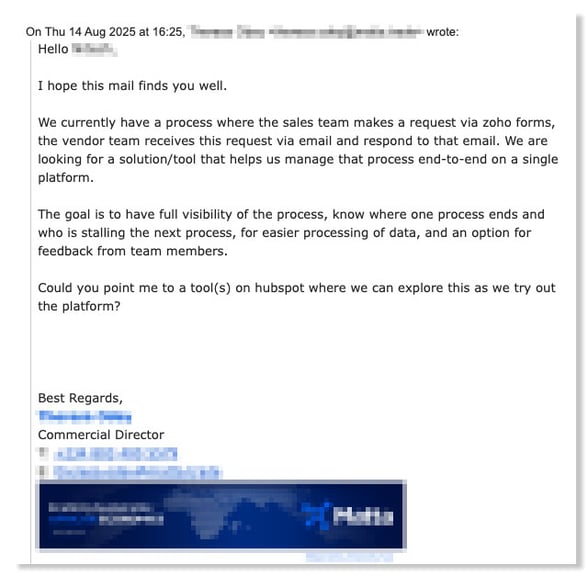
So consider these limitations as you review CRM pricing. There is a strong correlation between CRM software pricing and functionality. A good CRM implementation provider will help you strike the right balance between price and function.
CRM Pricing Comparison - South Africa 2026
|
CRM |
Starting Price |
Ave Price |
Best For |
|---|---|---|---|
|
HubSpot |
Free / from $15 (~R270) |
|
Scalable SMB to enterprise |
|
Salesforce |
From $25 (~R450) |
|
Enterprise & complex setups |
|
Pipedrive |
From $12.50 (~R225) |
|
Sales teams |
|
Zoho |
From $12 (~R215) |
|
Budget-conscious SMBs |
|
Dynamics 365 |
From $20 (~R360) |
|
Enterprise + Microsoft users |
|
Monday.com CRM |
From $8 (~R145) |
|
Lightweight CRM use cases |
Most businesses end up paying more than entry pricing once automation, integrations, and additional seats are added.
Pros & Cons Overview
HubSpot CRM
Pros: Easy to use, strong marketing + sales integration, scalable
Cons: Advanced features require paid tiers
Support: Strong local partner network
Salesforce CRM
Pros: Highly scalable, powerful reporting, enterprise-grade
Cons: Complex setup, steep learning curve
Support: Strong local ecosystem
Pipedrive
Pros: Simple UI, sales-focused, quick setup
Cons: Limited marketing features, not highly scalable
Support: Limited local support
Zoho CRM
Pros: Affordable, customisable, flexible
Cons: UI less refined, slower support
Support: Limited local presence
Microsoft Dynamics 365
Pros: Deep Microsoft integration, enterprise-ready
Cons: Complex, expensive, IT-heavy
Support: Local enterprise partners
Monday.com
Pros: Affordable, flexible, strong project tracking
Cons: Not a true CRM, limited sales depth
Support: Remote support only
Detailed CRM System Breakdown
HubSpot CRM (Best for usability and growth)
HubSpot is one of the most widely used CRMs globally because of its simplicity and all-in-one structure.
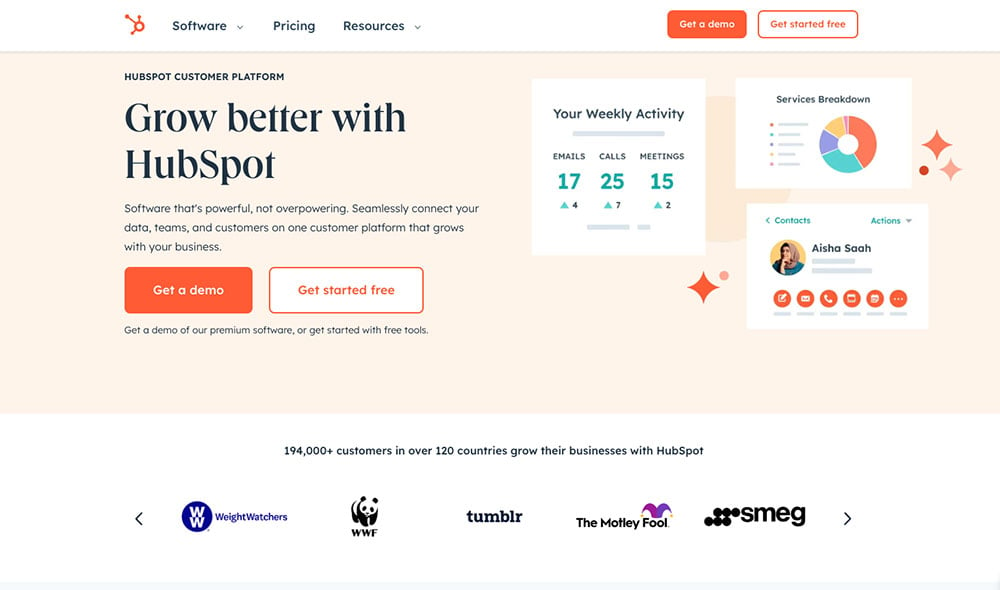
Price: From $0 per user/month
Key strengths:
- Unified CRM, marketing, and sales tools
- Easy onboarding and adoption
- Strong automation features in paid tiers
Limitations:
- Advanced reporting requires upgrades
- Less customisation than enterprise platforms
Ratings:
- Ease of use: 4.5/5
- Features: 4/5
- Value: 4/5
Salesforce CRM (Best for enterprise scalability)
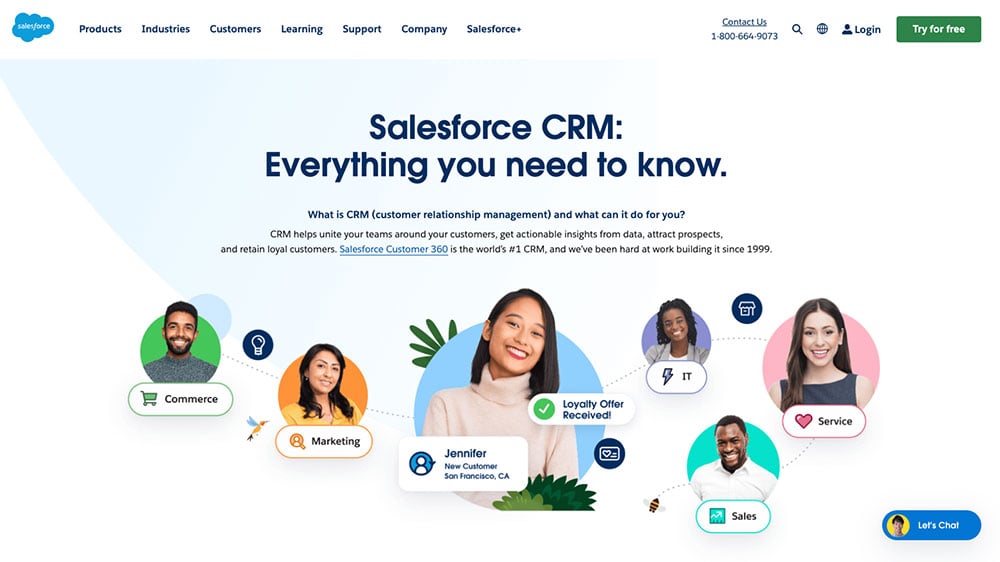
Salesforce is the most powerful CRM on the market, designed for complex organisations.
Price: From $25 per user/month
Key strengths:
- Deep customisation
- Enterprise-level reporting
- Strong ecosystem
Limitations:
- Expensive and complex
- Requires skilled administrators
Ratings:
- Ease of use: 3.5/5
- Features: 4.5/5
- Value: 4/5
Pipedrive (Best for sales teams)
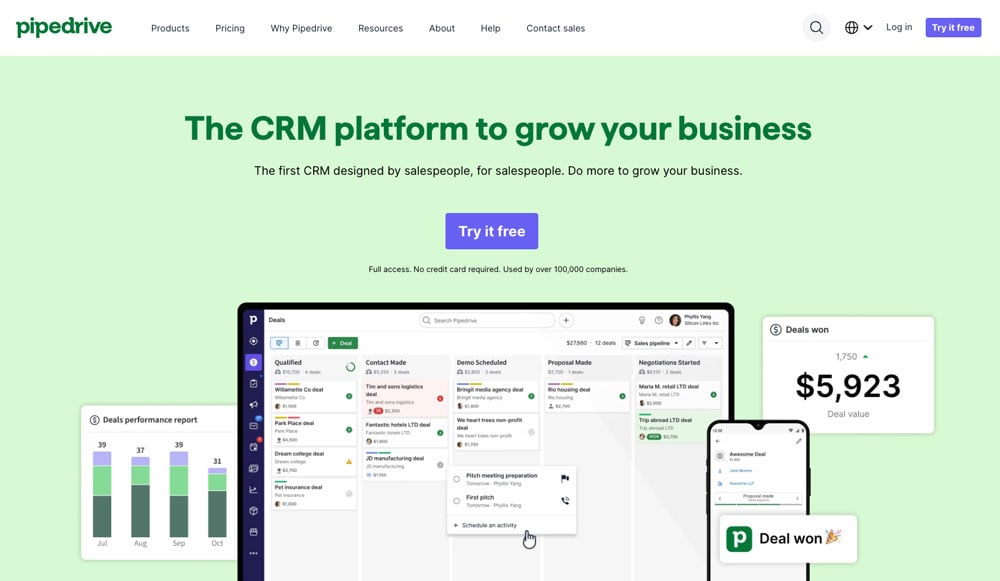
Pipedrive focuses purely on sales pipeline management.
Price: From $12.50 per user/month
Key strengths:
- Visual pipelines
- Easy adoption
- Sales productivity focus
Limitations:
- Weak marketing tools
- Limited scalability
Ratings:
- Ease of use: 4/5
- Features: 4/5
- Value: 4/5
Zoho CRM (Best low-cost option)
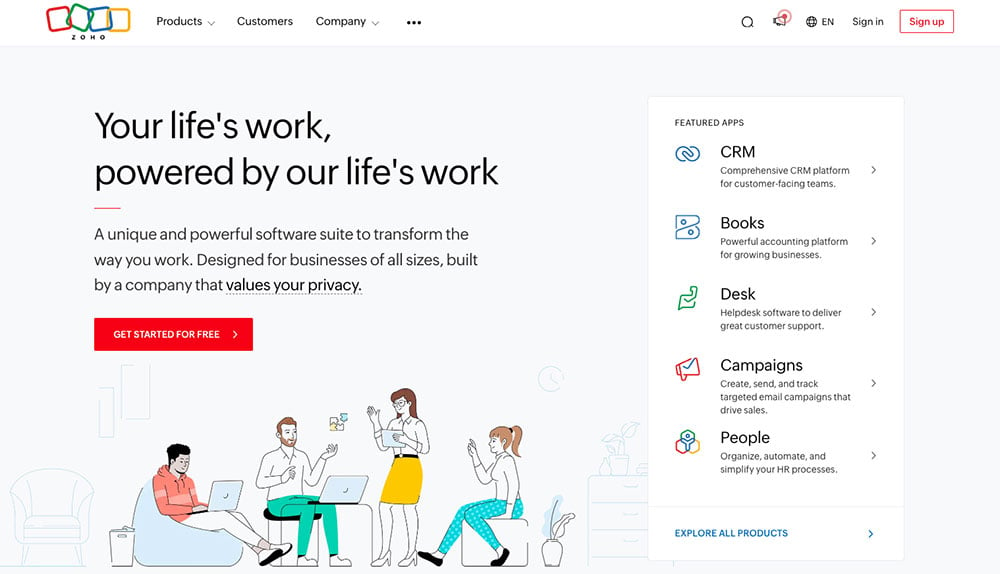
Zoho is popular for affordability and flexibility.
Price: From $12 per user/month
Key strengths:
- Affordable pricing
- Strong customisation
- Global business support
Limitations:
- Support can be slower
- Less polished UX
Ratings:
- Ease of use: 4/5
- Features: 4.5/5
- Value: 4.5/5
Microsoft Dynamics 365 (Best for enterprise ecosystems)
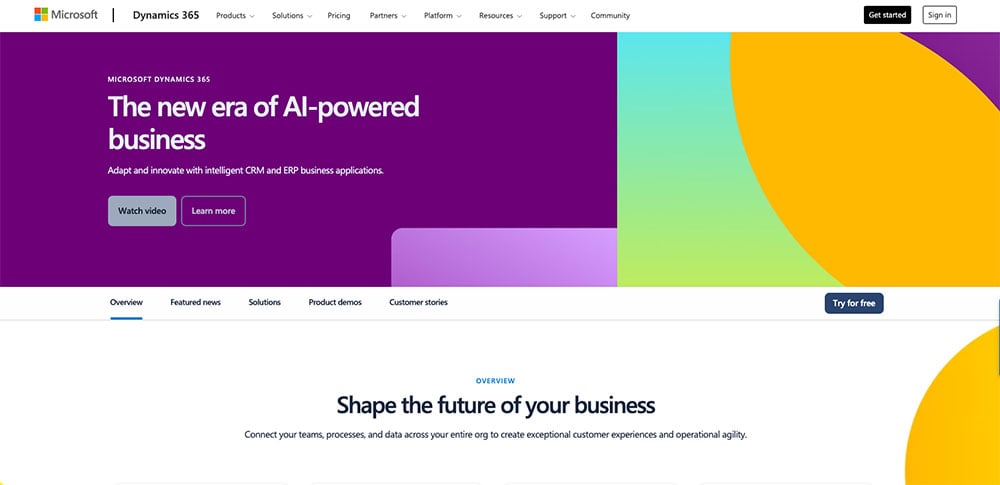
Built for large organisations already using Microsoft tools.
Price: From $20 per user/month
Key strengths:
- Strong ERP integration
- Enterprise-ready
- Highly scalable
Limitations:
- Complex setup
- Requires IT support
Ratings:
- Ease of use: 3/5
- Features: 4.5/5
- Value: 4/5
Monday.com (Best for lightweight CRM use)
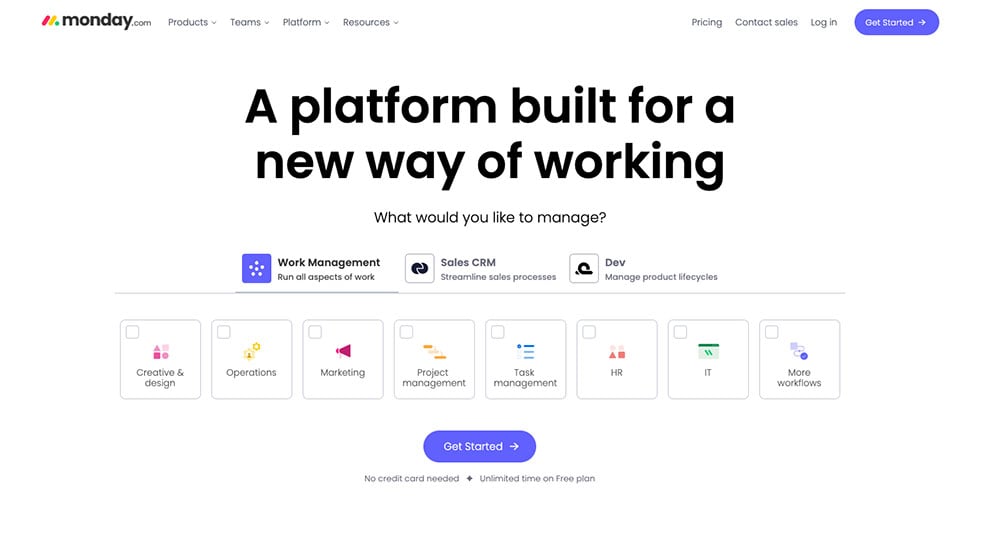
Originally a project management tool, now used as a light CRM.
Price: From $8 per user/month
Key strengths:
- Visual workflows
- Easy collaboration
- Affordable entry point
Limitations:
- Not a true CRM system
- Limited sales depth
Ratings:
- Ease of use: 3.5/5
- Features: 4.5/5
- Value: 4/5
How to Choose the Right CRM for Your Business
1. Understand Your Business Needs
Define your goals:
- Increase sales efficiency
- Improve customer experience
- Automate processes
- Centralise customer data
2. Match Features to Requirements
Look for:
- Contact and pipeline management
- Automation capabilities
- Marketing integration
- Reporting dashboards
- Ease of use
3. Evaluate Pricing Properly
Don’t just look at entry pricing, consider:
- Total cost per user
- Add-ons and automation tools
- Implementation costs
- Training and support
Summary
Choosing the right CRM in South Africa comes down to matching your business complexity, budget, and growth plans with the right platform.
- HubSpot: best all-round CRM for growth
- Salesforce: best for enterprise complexity
- Zoho: best budget-friendly option
- Pipedrive: best simple sales CRM
- Dynamics 365: best for Microsoft ecosystems
The right CRM is not just software, it becomes the operational backbone of your business.
Frequently Asked Questions (AEO Optimised)
What is a CRM system?
A CRM system helps businesses manage customer relationships, track sales, and centralise customer data to improve efficiency, reporting, and communication across teams.
Which CRM is best in South Africa?
HubSpot and Salesforce are the leading CRMs in South Africa, with Zoho, Pipedrive, and Microsoft Dynamics 365 also widely used depending on business size and complexity.
How much does a CRM cost in South Africa?
CRM pricing ranges from free tools like HubSpot to $150+ per user per month for enterprise systems like Salesforce and Dynamics 365, depending on features and scale.
Do small businesses need a CRM?
Yes. Small businesses benefit from CRMs by improving lead tracking, automating follow-ups, and centralising customer data to support growth.
What is the easiest CRM to use?
HubSpot and Pipedrive are generally considered the easiest CRMs due to their simple interfaces and fast setup times.
Which CRM is best for enterprise businesses?
Salesforce and Microsoft Dynamics 365 are best suited for enterprise businesses requiring deep customisation, integrations, and scalability.